
Hotline 8:00 - 16:00
Low delivery costs
Test for up to 30 days

... is empty
  • Polski
  • Český
Front pageMattressesPopular sizesMattresses 90x200FLEXI BREEZE LATEX II foam mattress with seagrass layer and latex mat 90x200
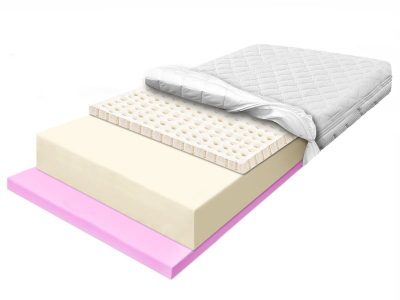
FLEXI BREEZE LATEX II foam mattress with seagrass layer and latex mat 90x200

-5%
119.37 EUR 113.40 EUR
Lowest price from 30 last 30 days before sale: 95.11 EUR
Manufacturer: Materace z Gór
Model: FLEXI BREEZE LATEKS II 90X200
Shipment:1-3 days
Product avaliable (5000 piece)
Weight:10.00 kg
Check shipping costs

Shipping of this product

Wysokość:

Quantity:piece

Mattress foam

Foam mattress FLEXI BREEZE LATEX II 90x200
latex and seagrass mat on one side

FLEXI BREEZE LATEX II 90x200 is a double-sided foam mattress combining T18 polyurethane foam, a latex mat and a seagrass mat. In this model, latex and seagrass are placed on the same side of the mattress, so one surface is more springy, elastic and gently reinforced.

The other side is based on T18 polyurethane foam, which provides a soft, calmer and more classic foam feel. The 90x200 size is a standard single-bed format that works well for a child, teenager, adult, guest room or smaller bedroom.

Foam mattress FLEXI BREEZE LATEX II 90x200 Double-sided T18 foam Latex mat Seagrass mat H1/H1+ firmness

90x200
mattress size
H1/H1+
mattress firmness
H1+
latex + seagrass side
H1
T18 foam side

Key benefits

Single-bed size 90x200

The 90x200 size is practical for everyday use by one person. It fits many standard single beds and works well in a teenager’s room, guest bedroom and anywhere a comfortable mattress is needed without taking up too much space.

Latex and seagrass on one side

In the FLEXI BREEZE LATEX II 90x200 model, the latex mat and seagrass mat are placed on the same side. As a result, one surface combines the springiness of latex with gentle reinforcement and the breathable character of seagrass.

Soft T18 foam side

The other side of the mattress is based on T18 polyurethane foam. It is a gentler, more classic foam surface, designed for people who like a soft base and calmer mattress response.

H1/H1+ comfort

The mattress is kept within the H1/H1+ range. The T18 foam side gives a soft feel, while the side with latex and seagrass remains comfortable but is more springy and slightly more stable.

Latex springiness

The latex mat makes one side of the mattress respond better to pressure and return to its shape faster. This is a solution for people who want the surface to be soft, but also more elastic than foam alone.

Breathable seagrass mat

The seagrass mat reinforces the latex side and supports air circulation in the core. Its fibrous structure gives the surface a more controlled character without becoming a distinctly firm base.

Firmness scale

FLEXI BREEZE LATEX II 90x200 has a feel within the approximate H1/H1+ range. The side with T18 foam is soft and gentle in feel, while the side with the latex mat and seagrass mat provides springier, fuller and slightly more stable support. Comfort may vary depending on the user’s weight, bed base type, mattress height and individual preferences.

H1
Soft
up to 60 kg
H2
Medium soft
60–80 kg
H3
Medium firm
80–100 kg
H4
Firm
over 100 kg

What makes this model stand out?

FLEXI BREEZE LATEX II 90x200 stands out thanks to its layer arrangement, where latex and the seagrass mat are placed on one side. As a result, one mattress surface is more developed and combines two functions: springy adaptation and gentle, breathable reinforcement.

This is an important difference compared with models where latex and seagrass are separated onto two opposite sides. Here, the user receives one more functional side and the other one is simpler, soft and foam-based. This arrangement works well when the mattress is intended to offer soft comfort, but with the option of choosing a side with slightly fuller support.

The side with the latex mat and seagrass mat provides a more springy feel. Latex works elastically and helps the surface respond faster to position changes. Seagrass reinforces the same side, supporting breathability and giving it a more controlled feel.

On the opposite side there is T18 foam. This is the soft, calmer and more classic side, suitable for everyday rest. Its character is simpler than the side with additional mats, which makes it a good option for people who sometimes want to use a gentler surface.

The 90x200 size makes this model a comfortable choice for a single bed. The mattress can be used in a child’s room, teenager’s room, guest room or single bedroom. It is a universal size that is easy to match with popular frames and bed bases.

T18 polyurethane foam forms the base of the entire construction. It connects both mattress sides and helps maintain a consistent foam character. Thanks to it, the side with latex and seagrass is more developed, but still remains comfortable and soft in feel.

The model works well for people who are not looking for a distinctly firm mattress, but expect a soft base with a second side of slightly more stable character. The H1/H1+ range preserves gentle comfort while providing more functionality than a classic mattress made only of foam.

FLEXI BREEZE LATEX II 90x200 is a proposal for users who want a soft, double-sided and practical mattress, enriched with a side where latex and seagrass are combined in one usable layer.

Mattress comfort and construction

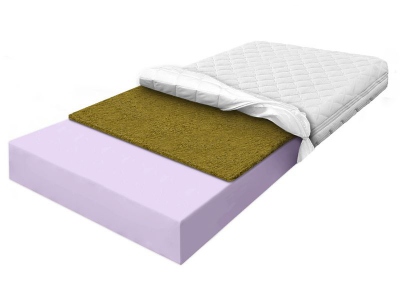
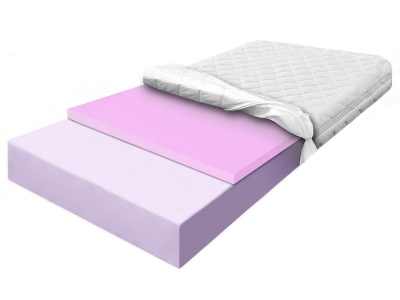
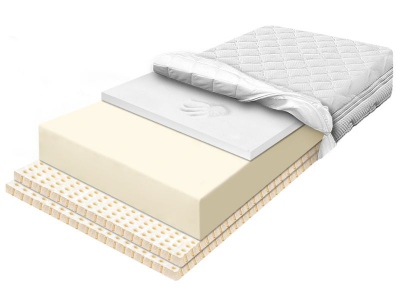
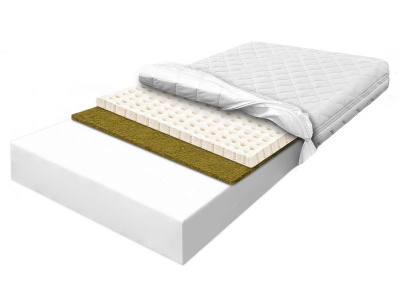
The construction of the FLEXI BREEZE LATEX II 90x200 model is based on an arrangement where the latex mat and seagrass mat are placed on one side, while the other side remains a T18 polyurethane foam side. Thanks to this, the mattress offers two sensations, but does not separate latex and seagrass onto opposite sides.

Springy and reinforced side • latex + seagrass

This side combines the elastic response of latex with the breathable and reinforcing effect of the seagrass mat. The surface remains comfortable, but provides fuller, springier and slightly more stable support than T18 foam alone.

  • latex mat and seagrass mat on one side,
  • feel close to H1+,
  • springy response to pressure,
  • gentle surface reinforcement,
  • more breathable usable side,
  • fuller support while maintaining soft comfort,
  • good choice for people looking for a more developed sleep side.
Soft side • T18 foam

The other side is based on T18 polyurethane foam. It has a more classic, soft feel and works well when the user wants to rest on a calmer surface without additional reinforcement from the seagrass mat.

  • T18 foam on the other side of the mattress,
  • feel close to H1,
  • soft foam surface,
  • gentler feel while lying down,
  • simpler alternative to the latex + seagrass side,
  • comfort in everyday use,
  • practical side for a single bed.

Mattress construction and function of each layer

1. Cover
The cover forms the outer finish of the mattress and protects the entire core. In the FLEXI BREEZE LATEX II 90x200 model, it is important because the mattress can be used on both sides, and each side has a different layout and a different feel.

The cover layer protects the T18 foam, latex mat and seagrass mat. It helps secure the components during everyday use, when turning the mattress and adjusting the side to current preferences.

The cover also supports the appearance of the mattress. In the 90x200 size, it helps maintain an even, compact shape, which is practical for a single bed used every day by one person.

As the outer layer, it works with both the soft T18 foam side and the springy side where latex and seagrass are placed together.

2. T18 polyurethane foam
T18 foam forms the base of the mattress and is responsible for its soft foam character. In this model, it is both the base of the entire construction and the usable side with a feel close to H1.

The T18 foam side provides gentler, simpler support. It will be suitable for people who like soft mattresses and do not need additional reinforcement on every side.

T18 foam also works with the latex and seagrass layer on the other side. Thanks to this, the mattress remains consistent, while the more developed side can respond springily but still remain within a soft comfort range.

In the 90x200 size, this base works well in a single bed. It helps maintain comfort while giving the option of using two different sides without increasing the mattress firmness to higher levels.

3. Latex mat
The latex mat is placed on the same side as the seagrass mat. Its purpose is to increase the springiness and elasticity of the surface on which the user can rest when fuller support is needed.

Latex responds to pressure in a more dynamic way than foam alone. As a result, the side with latex works pleasantly, returns to its shape faster and performs well when changing position during sleep.

The latex layer gives the more developed side a more comfortable character. It does not work separately, but cooperates with the seagrass mat, creating a springy, breathable and slightly more stable surface.

In the single-bed 90x200 mattress, this side can be practical for a user who wants a soft mattress but also expects a more active, elastic surface response.

4. Seagrass mat
The seagrass mat is placed on the same side as the latex mat. Its role is to gently reinforce the springy side and support core breathability.

The fibrous structure of seagrass helps give the surface a more controlled feel. Thanks to this, the side with latex is not only soft and elastic, but also gains a subtly more stable character.

The seagrass mat works well with T18 foam and latex. It does not create a separate mattress side, but enriches the latex side, improving its functionality and breathability.

The natural mat may have a characteristic smell resulting from the origin of the raw material. This is a typical feature of this component and does not affect the technical parameters of the mattress.

The combination of the latex mat and seagrass mat on one side means that FLEXI BREEZE LATEX II 90x200 offers one side that is more springy and reinforced, and another soft side based on T18 foam.

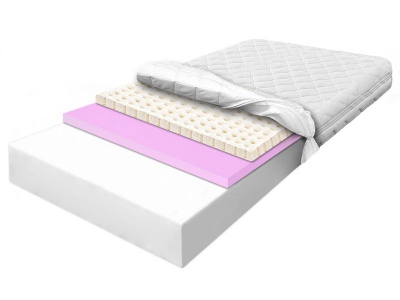
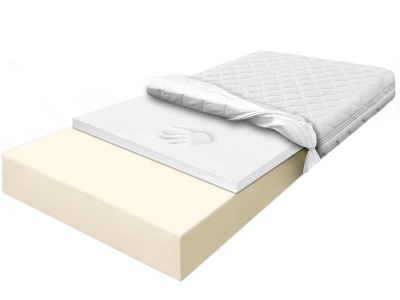
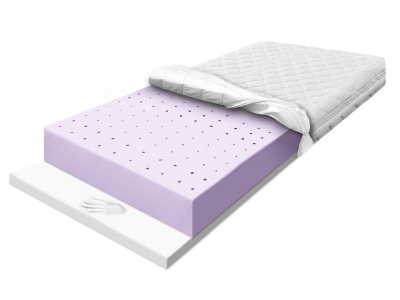
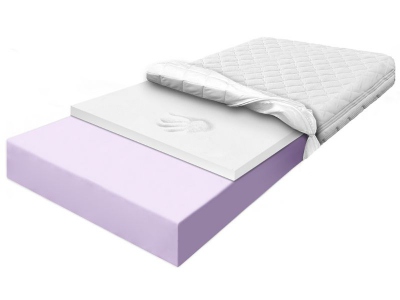
Main components

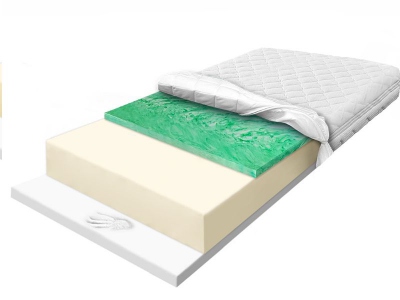
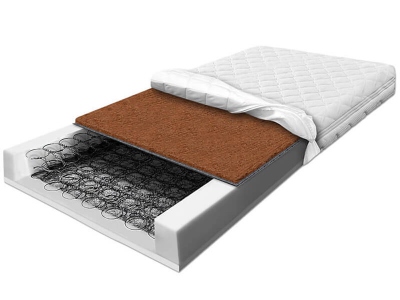
T18 foam in the FLEXI BREEZE LATEX II 90x200 mattress
T18 foam
Forms the mattress base and the soft usable side with classic foam comfort.
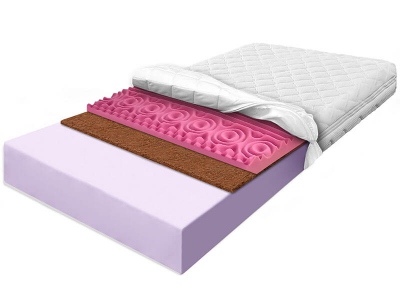
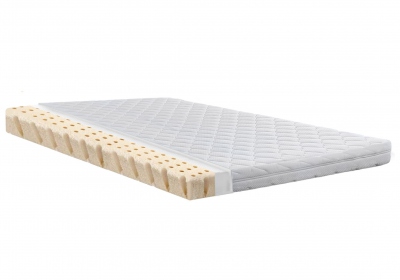
Latex mat in the FLEXI BREEZE LATEX II 90x200 mattress
Latex mat
Placed on the same side as seagrass, giving the surface springiness and elasticity.
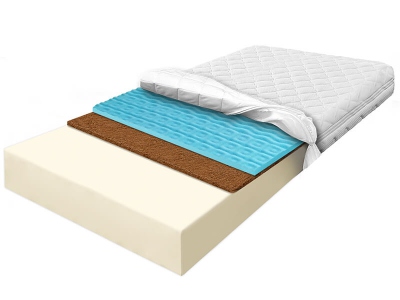
Seagrass mat in the FLEXI BREEZE LATEX II 90x200 mattress
Seagrass mat
Reinforces the latex side, supports breathability and gives it a more stable character.
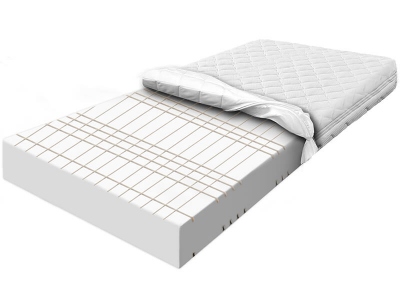
Cover of the FLEXI BREEZE LATEX II 90x200 mattress
Cover
Protects the core and makes it easier to use the two different mattress sides.

Who is it a good choice for?

FLEXI BREEZE LATEX II 90x200 is a good choice for people looking for a soft single-bed mattress, but who want one side to be more springy, breathable and gently reinforced. The model works well for users who prefer the H1/H1+ range, without moving towards a distinctly firm sleeping surface.

  • for people looking for a 90x200 mattress for a single bed,
  • for children, teenagers and adults,
  • for users who prefer soft H1/H1+ comfort,
  • for people who want latex and seagrass on one side,
  • for people who like a soft but not completely uniform base,
  • for users choosing a springy and gently reinforced side,
  • for people who want the other side made of classic T18 foam,
  • for people who value the option of turning the mattress,
  • for users who pay attention to core breathability,
  • for allergy sufferers and people who care about sleep hygiene,
  • for people looking for a combination of T18 foam, latex and seagrass mat in one construction.

Which bed base for this mattress?

For the FLEXI BREEZE LATEX II 90x200 model, the best choice is a flat, stable slatted bed base or a well-supported flat surface. A suitable base allows the T18 foam, latex mat and seagrass mat to work properly.

It is worth avoiding large gaps between slats, as they may cause point sinking of the core. Stable support helps maintain an even mattress surface and supports the comfort of both sides: the soft foam side and the springy side with latex and seagrass.

Awards

Popular choice
Popular choice
Great offer
Great offer
Reliable quality
Reliable quality

Certificates and additional information

Trusted textiles
Trusted textiles
Made in Poland
Made in Poland
Check allergens
Check allergens
Additional materials

Please note: the colours used in illustrations showing the inside of the mattress are for information purposes only and may differ from the colours of the purchased product. Natural components, such as the seagrass mat, may have a characteristic smell resulting from the origin of the raw material. The manufacturer allows a size tolerance of +/- 1–2 cm depending on the mattress height. Technical parameters and physical properties remain unchanged. Before purchase, we recommend checking whether any mattress component may be allergenic for the user.

Multi-layer mattresses Latex + Seagrass
Predominant component Latex
Mattress type Foam
Degree of hardness H1 soft
Terms of use mattressesDownload file

There are no reviews for this product yet.

Write Review

The owner of the online store does not guarantee that the published opinions come from consumers who have used or purchased a given product.

Wybór odpowiedniego materaca znacząco wpływa na jakość snu. Możliwości jest bardzo wiele : sprężynowe, lateksowe, kieszeniowe, rozmaite rodzaje wypełnienia. Wiedza  na temat rodzajów materacy oraz ich właściwości znacznie ułatwia nam proces selekcji oraz gwarantuje satysfakcję z zakupu.

Ponad 50% Polaków uskarża się na bóle kręgosłupa a kolejne 25% - nie dosypia. To fakty, które skłaniają nas do zadaniem sobie pytania: Jaki materac wybrać do łóżka? Odpowiedź na to pytanie wbrew pozorom nie jest łatwa, gdyż nie chodzi tylko o dobór odpowiedniego rozmiaru.

Jakość Twojego snu, dobry humor w ciągu dnia, sposób funkcjonowania, i co najważniejsze - stan Twojego kręgosłupa w dużej mierze zależy od tego na czym śpisz. Odpowiednim miejscem do spania, na pewno nie może być łóżko składane tzw. "polowe", sofa czy kanapa. Optymalne ułożenie ciała i wsparcie dla kręgosłupa zapewni nam tylko dobrze dobrany materac.
Pierwszym kryterium przy podejmowaniu decyzji powinna być jakość. Nie dajmy się nabrać na chińskie, tanie podróbki materacy, które przyniosą więcej zmartwień niż pożytku. Wybierajmy zawsze solidne Produkty Polskie, z atestami, spełniające normy Unii Europejskiej.

Kolejnym ważnym aspektem jest rodzaj modelu, na który się decydujemy. Na przestrzeni lat wraz z rozwojem techniki powstały 3 podstawowe podziały materacy na: PIANKOWE, SPRĘŻYNOWE I KIESZENIOWE.

Zapraszam do zapoznania się z poniższymi informacjami:

Przed zakupem materaca należy wziąć pod uwagę :

WZROST:

Długość materaca powinna być dostosowana do naszego wzrostu. Przyjmuje się że dla optymalnego komfortu idealne wymiary materaca to nasz wzrost plus o 20 cm Taka odległość pozwala na swobodne umieszczenie ciała na materacu oraz komfortowy wypoczynek.

WIEK: 

Kolejnym ważnym czynnikiem jest wiek . W przypadku osób starszych często musimy zwrócić uwagę na odpowiedni dobór twardości materaca oraz komponentów. Osoby te mogą odczuwać dolegliwości zdrowotne związane z wiekiem. Przy tego typu kryteriach, zaleca się materace bardziej miękkie z dodatkiem komponentów takich jak lateks czy pianek - HR lub termoelastycznej (mających właściwości przeciwodleżynowe). Osoby  Dzieci w fazie rozwoju i wzrostu potrzebują również dobrej podpory dla kręgosłupa, wówczas poleca się im materace kieszeniowe lub piankowe o dobrej elastyczności lub bardziej ekskluzywne - wysokoelastyczne.

WAGA: 

Odpowiednio dobrana twardość materaca do wagi osoby śpiącej to gwarancja zdrowego i spokojnego snu. Materac powinien stanowić dobrą podporę i wypełniać krzywizny kręgosłupa tak aby użytkownik nie odczuwał dyskomfortu.

Jeśli materac będzie za miękki:

  • ciało osoby śpiącej będzie zapadać się 
  • mięśnie będą naprężone by rekompensować brak wsparcia kręgosłupa

Jeśli materac będzie za twardy:

  • mięśnie pleców i karku będą naprężone (co może powodować dotkliwy ból)
  • ucisk materaca utrudnia prawidłowe krążenie co negatywnie wpływa na samopoczucie i dodatkowo wymusza częste zmiany pozycji ciała w trakcie snu

MATERACE DLA PAR:

Bardzo ważną kwestią jest czy materac będzie użytkowany przez jedną czy dwie osoby. Odpowiednie wymiary produktu oraz rodzaj wypełnienia niwelujący efekt falowania można znacznie polepszyć komfort snu każdej pary. Innym ważnym czynnikiem jest ewentualne zastosowanie "cichego" wkładu - materace piankowe i kieszeniowe są polecane dla par ze względu na swój "cichy" tryb pracy. Równie istotną kwestią jest zastosowanie lateksu oraz maty kokosowej w modelach dla dwojga - te materiały zapewniają lepszą wentylację podwójnego łóżka co jest niezbędne dla ochrony przed roztoczami i innymi szkodliwymi mikroorganizmami.

PROBLEMY Z KRĘGOSŁUPEM:

Problemy z kręgosłupem to pierwszy i najważniejszy czynnik jaki powinniśmy brać pod uwagę przy wyborze materaca. Osobom cierpiącym na bóle pleców poleca się twardsze materace z dodatkiem takich komponentów jak kokos i pianki o gęstości od T30 w górę. Dla osób trwale unieruchomionych, mające problemy np: z odleżynami, oferujemy pianki lateksowe lub termoelastyczne (typu VISCO-Memory, inaczej zwaną pianką Leniwą). Każda przypadłość obligatoryjnie powinna zostać skonsultowana z lekarzem, w szczególności wszelkie wady postawy czy przewlekłe schorzenia.

ALERGIE: 

Podczas doboru materaca ważną rzeczą jest zwrócenie uwagi na wszelkiego typu alergie. Dlatego też należy wziąć pod uwagę atesty, jak również miejsce produkcji : Chiny lub Europa. Niektóre materiały mogą powodować reakcje alergiczne ,dlatego też  alergikom nie poleca się materacy z dodatkiem wełny owczej czy też końskiego włosia. W takich wypadkach należy wybierać raczej neutralne wypełnienie, które spełniają oczekiwane funkcje jednak nie posiadają komponentów alergennych.

ELASTYCZNOŚĆ:

Materace kieszeniowe oraz materace lateksowe, jak również materace wykonane z pianek czy materiałów termoplastycznych charakteryzują się duża elastyczność punktową -  oznacza to że materac pod wpływem nacisku ciała ugina się optymalnie  w odpowiednich strefach.  Modele tego typu charakteryzują się wyższym stopniem wygody.

Materace typu bonell ze względu na swoją budowę oraz technologię wykonania charakteryzują się elastycznością powierzchniową. Odkształcają się na pod wpływem ciężaru ciała na pewnej powierzchni w stronę największego nacisku. Takie rozwiązanie jest polecane osobom z problemami kręgosłupa, które preferują bardziej stabilne podparcie.

STREFY TWARDOŚCI:

Wprowadzenie nowych technologii zaowocowało powstaniem materacy kieszeniowych mający zróżnicowane strefy twardości. W trakcie zdrowego snu kręgosłup musi zachować swoją anatomiczną postawę - w tym celu wprowadzono podział materacy  na strefy o różnej twardości. Dzięki temu poszczególne partie materaca perfekcyjnie układają się wedle naszych części ciała nie deformując lini kręgosłupa.

WYBÓR POKROWCA NA MATERAC

Alergicy oraz osoby szczególnie dbające o higienę materaca powinny zastanowić się nad wyborem pokrowca do swojego materaca. Wszystkie pokrowce w naszym sklepie posiadają zamek błyskawiczny umożliwiające zdjęcie go i wypranie. Różnią się jednak tkaniną z jakiej są wykonane oraz dodatkami - bawełniany pokrowiec posiada doskonałą wentylację, oddycha i swobodnie przepuszcza powietrze natomiast pokrowiec ALOE VERA ma dodatkowe właściwości pielęgnacyjne dzięki zastosowaniu ekstraktu z liści aloesu. Bardzo ważne jest także ewentualne użycie szermezy - materiału o wyjątkowych cechach izolacyjnych i termoregulacyjnych. Dlatego właśnie każdy użytkownik powinien wybrać pokrowiec do materaca tak aby zapewnić sobie optymalny komfort snu.

RODZAJE MATERACY

Kolejnym ważnym aspektem jest rodzaj modelu, na który się decydujemy. Na przestrzeni lat wraz z rozwojem techniki powstały 3 podstawowe podziały materacy na: PIANKOWE,  SPRĘŻYNOWE I KIESZENIOWE. Każdy z nich posiada inne właściwości i zalecane grupy użytkowników. W zależności od dobranych dodatków i budowy można dobrać materac odpowiedni dla dzieci, osób starszych, mających problemy zdrowotne, par czy alergików - tylko podając kompletne informacje możemy wybrać rodzaj materaca odpowiedni dla nas.


Sprężynowe (bonellowe) - są najstarszymi materacami stosowanymi w tapicerstwie. Starsze modele były pokryte cienką warstwą pianki poliuretanowej, co powodowało że po jakimś czasie sprężyny uszkadzały tapicerkę i "wychodziły" na zewnątrz. Wraz z rozwojem techniki oczywiście zostały udoskonalone i nadal stanowią dobry, solidny produkt na lata. W przypadku materacy bonellowych należy zwrócić uwagę na grubość drutu z jakiego są wykonane sprężyny. Producenci oferują produkty wykonane z drutu o grubości od 1,8 do 2,5 mm. W naszej ofercie znajdą Państwo materace wykonane ze sprężyn o grubości 2,4 mm, co daje gwarancję trwałości oraz pewności że produkt się "nie wybije" i będzie służył nam przez długie lata. Przekładka tapicerska zapobiega przebiciu pianki, dodatkowo wzmacniając jego żywotność. Komponenty takie jak mata kokosowa, lateks, pianki o różnych twardościach dają możliwość dopasowania produktu do indywidualnych potrzeb i preferencji klienta. Dużym plusem materacy sprężynowych jest ich cena. Technologia ich wykonania powoduje ze charakteryzują się one sprężystością powierzchniową.
  • solidność
  • materace sprężynowe są najtwardsze w porównaniu z innymi kategoriami materacy
  • są polecany do wytrzymałych stelaży, gdyż są zazwyczaj grubsze i cięższe od piankowych czy kieszeniowych
  • nie nadają się do regulowanych stelaży (regulacja do pozycji siedzącej)
  • odpowiednie dla osób ze schorzeniami kręgosłupa z zaleceniami do spania na twardym, sztywnym materacu
  • zalecane dla osób i dzieci od lat ok 8 (za wyjątkiem przyczyn zdrowotnych).

Kieszeniowe (zwane inaczej kieszonkowymi) - to w zasadzie również materace sprężynowe. Różnica w ich wykonaniu (w porównaniu do bonellowych) polega na zastosowaniu cieńszego drutu 1,8mm. Sprężyny mają kształt walca i nie są połączone ze sobą, lecz umieszczone w osobnych, amortyzujących, elastycznych kieszeniach. Zaletą takiego rozwiązania jest maksymalna sprężystość punktowa: każda ze sprężyn reaguje oddzielnie na nacisk ciała, lepiej dopasowując się do jego kształtów. Materace te są dobrym rozwiązaniem dla dwojga. Wadą tego typu materacy jest fakt, że są nieco droższe od bonellowych.
  • bardzo elastyczne
  • wysoki komfort snu - z uwagi na dopasowanie do ciała, co umożliwiają kieszenie tworzące odpowiednio 7 lub 9 stref
  • POLECANY SZCZEGÓLNIE DLA PAR
  • dla dzieci i dorosłych  Decydując się na opcję kieszeniową, zalecamy zastanowić się nad dodatkowymi możliwościami uzupełnienia wkładu o  pianki Visco lub Hr, maty lateksowej lub kokosa - warstwy te uelastyczniają oraz zapewnią dłuższą żywotność materaca.

Piankowe - możemy podzielić na kilka podkategorii, które różnią się głównie rodzajem zastosowanej pianki i dobranymi dodatkowo komponentami. Mamy do wyboru:
  • termoelastyczne - podstawową cechą pianki termoelastycznej, jest zmiana kształtu pod wpływem ciepła. Staje się ona bardziej elastyczna i dopasowuję się do kształtów ciała. Materac wykonany z dodatkiem pianki termoelastycznej zapobiega powstawaniu odleżyn.   Pianka termoelastyczna - VISCO (Memory czy inaczej zwana Leniową) ma zasadniczy wpływ na jakość snu, krążenie krwi i profilaktykę bólu pleców. Dzięki niej osoba śpiąca na materacu, może cieszyć się spokojnym regenerującym snem.
  • piankowe z pianki poliuretanowej - pianka ta jest stosowana z powodzeniem od wielu lat w tapicerstwie, jak i również przy produkcji materacy. Posiada różne gęstości dzięki czemu można dopasować ją do indywidualnych preferencji od T 21 do T35. Charakteryzuje się trwałością i odpornością. W połączeniu z innymi komponentami materaca zapewni nam dobre podparcie i komfortowy sen.
  • wysokoleastyczne - pianka która jest alternatywa dla materacy w pełni lateksowych, inaczej zwana pianką HR. Jest to pianka poliuretanowa o zwiększonej sprężystości. Charakterystyka jej elastyczności, jest zbliżona do lateksu. Pianka ta zapewnia dobrą podporę dla kręgosłupa i większą przewiewność.
  • lateksowe - wypełnienie otrzymuje się z wulkanizacji mleczka kauczukowego. Kauczuk mieszany z lateksem syntetycznym daje nam elastyczny i trwały wkład do materaca. Duża elastyczność sprawia, że materac idealnie podpiera kręgosłup dając komfortowe wsparcie podczas snu, idealnie dopasowując się do ciała. Nie odkształca się pod ciężarem co sprawia, że jest polecanym rozwiązaniem dla par. Wadą materacy w pełni lateksowych jest ich cena w porównaniu do innych pianek i materacy sprężynowych
Materace lateksowe - wykonane z wypełnienia lateksowego, otrzymywanego się w procesie wulkanizacji naturalnego mleczka kauczukowego. Materiał ten zapewnia maksymalną elastyczność punktową i dostosowanie do naturalnych krzywizn ciała. Budowa płyty lateksowej, z której wykonany jest ten typ materaca, ma charakter kanalikowy, zapewniając idealną cyrkulację powietrza. Właściwości lateksu zapobiegają  rozwojowi bakterii i grzybów, zatem jest to najlepsza opcja dla alergików. 
  • bardzo luksusowy materac o elastycznym i wytrzymałym wypełnieniu
  • odpowiedni dla osób ze schorzeniami kręgosłupa
  • komfortowy
  • dla dzieci i dorosłych
  • nie odkształca się
  • silne działanie antyalergiczne
  • właściwości przeciwgrzybicze, pochłania wilgoć
  • daje uczucie ciepła zimą natomiast chłodu latem
Manufacturer Contact Details
Materace z Gór
Polska
Nowy Sącz
Al. Piłsudskiego 70
33300
biuro@materacezgor.pl
795494842
Contact Details of the Responsible Person in the EU
Materace z Gór
Polska
Nowy Sącz
Al. Piłsudskiego 70
33300
biuro@materacezgor.pl
795494842
 
See also:
Facebook
Instagram
Youtube
PayU
The display time: 0.322s